Allegations of financial impropriety and conveniently timed trades have repeatedly surfaced around members of Donald Trump’s inner circle, sparking multiple investigations and raising persistent concerns about officials potentially leveraging inside knowledge for personal gain. The most direct case involved former New York Representative Chris Collins, who was the first member of Congress to endorse Trump’s 2016 campaign. Collins was arrested and pleaded guilty to insider trading after receiving nonpublic information about a failed drug trial from a biotech company he sat on the board of. He famously made the illegal call to his son from the White House lawn during a congressional picnic. Collins, who was sentenced to 26 months in prison, later received a full pardon from President Trump.
While the Collins case resulted in a conviction, a much broader scandal erupted in early 2020 involving several US senators. High profile members of the Senate faced investigations by the Department of Justice after they sold significant portions of their stock portfolios just before the stock market crashed in response to the COVID 19 pandemic. These trades suspiciously followed private, all senators briefings on the virus’s severity, which occurred before the public was fully aware of the impending economic crisis. The investigations centered on figures like Senator Richard Burr, the then Chairman of the Intelligence Committee, who sold over $1.6 million in stock. Senator Kelly Loeffler and Senator David Perdue also faced scrutiny for their own opportune sales, with Loeffler’s transactions including purchases of stock in companies that benefited from work from home policies.
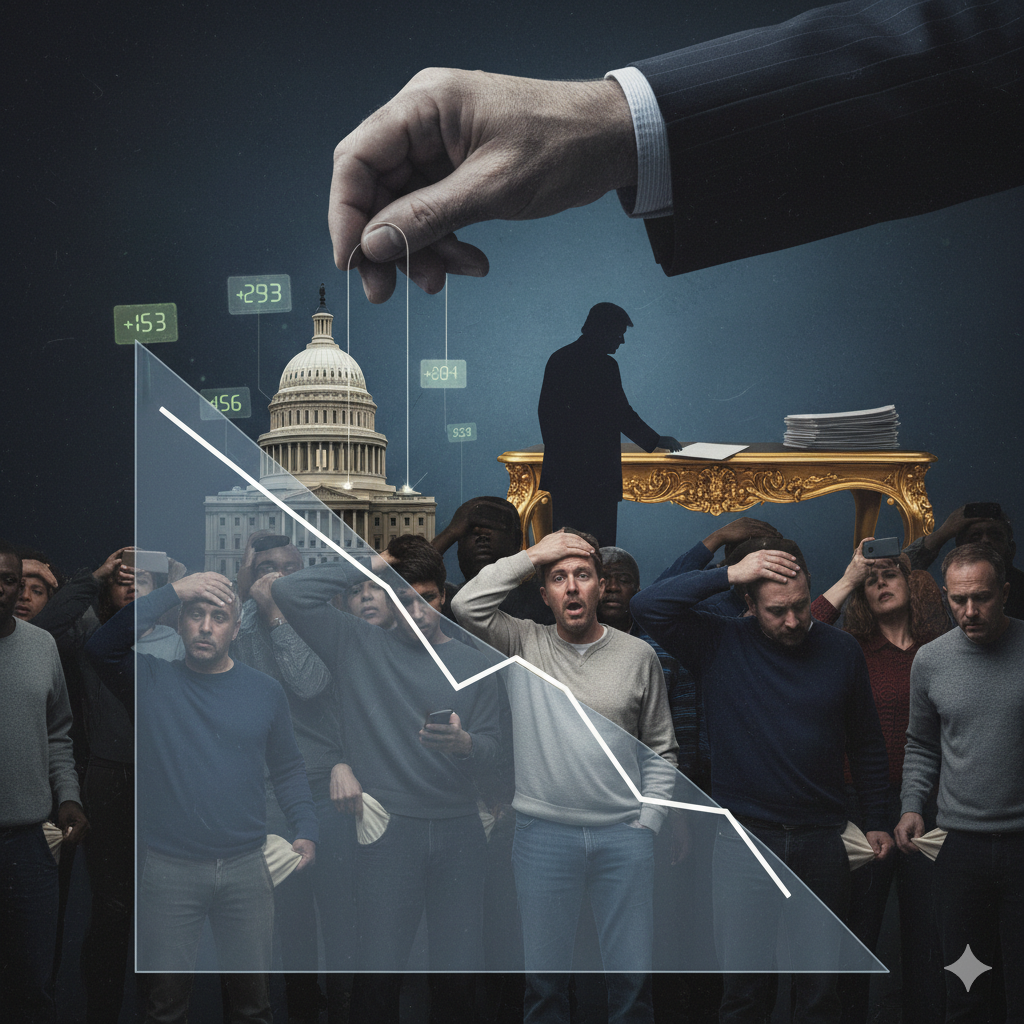
This pattern of behavior, especially when it goes unpunished, strikes at the very heart of market integrity. When high level officials with access to privileged information, like private pandemic briefings, are seen avoiding massive losses while the public braces for disaster, it fosters a widespread and corrosive perception that the market is a “rigged game,” not a fair playing field. Ethics watchdogs and market analysts warn that this perceived corruption is a direct threat to public trust. The ultimate effect is a severe erosion of investor confidence, as retail investors and the general public are led to believe they are always trading against insiders who have access to the ultimate nonpublic information.
Despite the deeply suspicious timing of the 2020 trades, the DOJ and the Senate Ethics Committee ultimately closed all of these investigations without filing any charges. Loeffler, for instance, maintained the trades were made by a third party advisor without her knowledge, and investigators found “no evidence” of wrongdoing. This pattern of scrutiny was not limited to Congress. Investigative reports also highlighted a series of well timed trades by high ranking officials within the Trump administration itself, often occurring just before major, market moving announcements on tariffs. Transportation Secretary Sean Duffy, for example, reportedly sold up to $650,000 in stocks, including shares in companies vulnerable to trade policy, just days before one such announcement. In a similar vein, Attorney General Pam Bondi was reported to have sold millions in shares of Trump’s social media company just before a tariff related market dip. In these instances, spokespeople often attributed the sales to outside managers, and the reports did not lead to public charges.
The cumulative effect of these scandals, from pardoned convictions to dropped investigations and unexamined trades, is a damaging narrative of a two tiered system. This has extended to broader concerns over conflicts of interest, such as the Senate Finance Committee’s probe into the $2 billion investment that a private equity firm led by Jared Kushner, Trump’s son in law, received from Saudi Arabia’s sovereign wealth fund shortly after he left the White House. When the public sees perceived self dealing, it undermines the very foundation of the financial system, which relies on a baseline belief in fair access to information. When that belief falters, it can lead to deep cynicism and disengagement from retail investors, who feel the deck is permanently stacked against them by a political class leveraging public service for private profit.